SOLAR ENERGY SUPPLY · AFRICA Explore our brochure ↓

SOLUTIONS / SOLAR + STORAGE + BACKUP

Off-Grid & Energy Storage Systems

Power for the everyday.
Backup for the unexpected.

Bring solar modules, battery storage, inverter control and mounting together around your home or business. Start with essential loads. Build a system that fits your day.

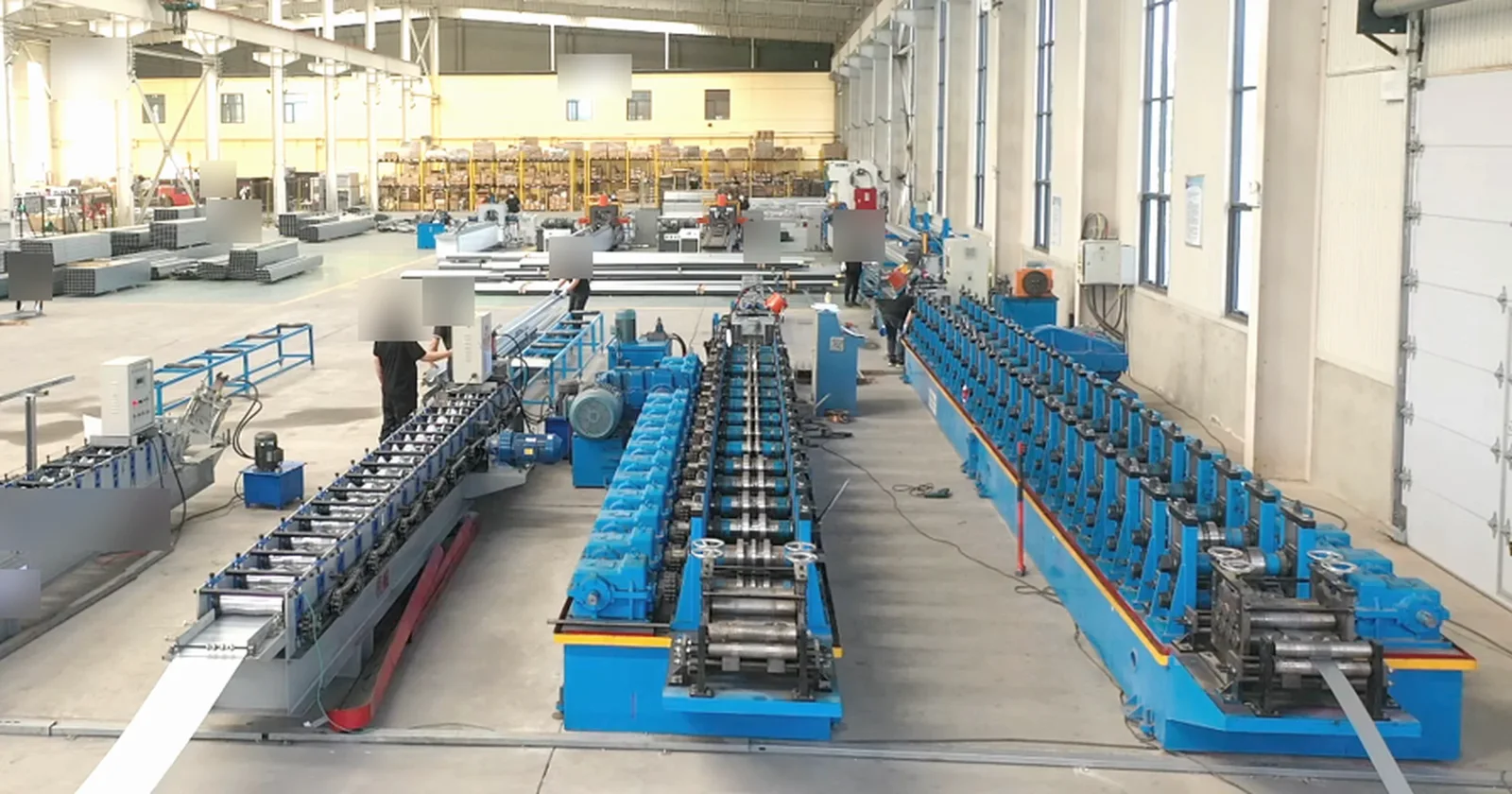
SolarNova mounting production inside the factory
Owner-supplied factory photograph. Mounting production; not an installed storage system.
Home packagesExisting systemsHow it worksBusiness storageSizing & FAQ

HOME / FOUR STARTING POINTS

A complete system.
A considered size.

Choose a starting point, then check your load profile. These generic combinations are planning examples, not named product models.

01 / Essential home

3 kW / 5 kWh

Lighting, fans, router and an efficient refrigerator; manage starting loads.

Typical PV array
6 × 450 W AIKO Neostar 1S+ modules · 2.70 kWp
Inverter / nominal storage
3 kW / 5 kWh · 48 V-class low-voltage LiFePO4
Typical daily solar energy
8.1–10.8 kWh/day, before additional battery cycling losses
Grid / diesel connection
Can be specified with a compatible input or engineered transfer arrangement.
Mounting
SN-R40 + SN-CMID / SN-CEND; roof fixing selected for the site.

Typical configuration, final design subject to load assessment.

02 / Everyday home

5 kW / 10 kWh

Family home with selected kitchen appliances and a small daytime office.

Typical PV array
10 × 450 W AIKO Neostar 1S+ modules · 4.50 kWp
Inverter / nominal storage
5 kW / 10 kWh · 48 V-class low-voltage LiFePO4
Typical daily solar energy
13.5–18.0 kWh/day, before additional battery cycling losses
Grid / diesel connection
Can be specified with a compatible input or engineered transfer arrangement.
Mounting
SN-R40 + SN-CMID / SN-CEND; roof fixing selected for the site.

Typical configuration, final design subject to load assessment.

03 / Larger home & small shop

8 kW / 15 kWh

More essential circuits, shop refrigeration or a scheduled pump; assess motor surge.

Typical PV array
16 × 450 W AIKO Neostar 1S+ modules · 7.20 kWp
Inverter / nominal storage
8 kW / 15 kWh · 48 V-class low-voltage or matched high-voltage stacked LiFePO4
Typical daily solar energy
21.6–28.8 kWh/day, before additional battery cycling losses
Grid / diesel connection
Can be specified with a compatible input or engineered transfer arrangement.
Mounting
SN-R40 + SN-CMID / SN-CEND; roof fixing selected for the site.

Typical configuration, final design subject to load assessment.

04 / Home & productive use

10 kW / 20 kWh

Larger household, guesthouse essentials or a small business with managed loads.

Typical PV array
20 × 450 W AIKO Neostar 1S+ modules · 9.00 kWp
Inverter / nominal storage
10 kW / 20 kWh · Matched high-voltage stacked or compatible low-voltage LiFePO4
Typical daily solar energy
27.0–36.0 kWh/day, before additional battery cycling losses
Grid / diesel connection
Can be specified with a compatible input or engineered transfer arrangement.
Mounting
SN-R40 + SN-CMID / SN-CEND; roof fixing selected for the site.

Typical configuration, final design subject to load assessment.

What the numbers mean

Typical configuration, final design subject to load assessment. All power, storage, module counts and energy figures in this section are indicative. The 450 W selection is within the existing AIKO Neostar 1S+ range. Daily solar energy uses array kWp × 4–5 peak-sun-hours × 0.75–0.80 system yield factor; local season and shading must be assessed. Battery capacity is nominal, not usable AC energy or promised night-time runtime.

Array string voltage, MPPT current, battery discharge power and surge capability must match the selected inverter. Grid or diesel backup can be specified through a compatible AC input or engineered transfer arrangement; confirm voltage, charging limits, neutral/earthing and generator control. No automatic-start capability is implied.

SN-R40 rails, SN-CMID / SN-CEND clamps; SN-AHOOK for tile or SN-ALFOOT for metal roofs, with matched SN-ASPLICE / SN-ABOLT hardware. Quantities and structure are designed for the site.

AVAILABLE RANGES / START HERE

Prefer an existing configuration?

The existing Home Systems and Hybrid & Diesel ranges offer defined starting points. Their original capacities remain separate from the generic packages above.

EXISTING PRODUCT / SOURCE PARAMETERS

SSP-PEG5K-A1-8S ↗

5 kW maximum output · 8 kWh storage
4 × 670 W BC modules · 2.68 kWp
Approx. 12 kWh/day (source table)

5 kW / 8 kWh indoor inverter-storage unit; supplied coated-steel quick-install mounting set, DC cables and ATS. Battery chemistry and diesel-input compatibility are not stated in the source table: confirm before specifying.

Typical configuration, final design subject to load assessment. Source ratings remain as listed; equipment compatibility and final supply scope require confirmation.

EXISTING PRODUCT / SOURCE PARAMETERS

SSP-PEG8K-A2-16S ↗

8 kW maximum output · 16 kWh storage
8 × 670 W BC modules · 5.36 kWp
Approx. 21.5 kWh/day (source table)

8 kW low-voltage single-phase hybrid inverter and 16 kWh battery; supplied coated-steel mounting sets and AC/DC cables. Battery chemistry and generator control must be confirmed.

Typical configuration, final design subject to load assessment. Source ratings remain as listed; equipment compatibility and final supply scope require confirmation.

EXISTING PRODUCT / SOURCE PARAMETERS

HP5000 ↗

5 kW rated output · 5.12 kWh LiFePO4
Original kit: 2 × 580 W · 1.16 kWp
Indicative 3.5–4.6 kWh/day (planning formula)

48 V-input off-grid hybrid inverter; source battery expansion up to 20.48 kWh. Original kit uses aluminum rails and clamps. Confirm grid/diesel transfer and compatible controls.

Typical configuration, final design subject to load assessment. Source ratings remain as listed; equipment compatibility and final supply scope require confirmation.

EXISTING PRODUCT / SOURCE PARAMETERS

HS10000 ↗

10 kW rated output · 10.24 kWh LiFePO4
Original kit: 4 × 580 W · 2.32 kWp
Indicative 7.0–9.3 kWh/day (planning formula)

High-voltage hybrid inverter with automatic diesel start; source DG input rating 15 kW max and battery expansion up to 40.96 kWh. Original kit uses aluminum rails and clamps.

Typical configuration, final design subject to load assessment. Source ratings remain as listed; equipment compatibility and final supply scope require confirmation.

EXISTING PRODUCT / SOURCE PARAMETERS

HS30000 ↗

30 kW rated output · 43 kWh HV LiFePO4
PV array and module count: designed on request
Daily energy: assessed for the site

Existing three-phase option for larger loads. Source output is 380 / 400 V. PV, generator integration and mounting are specified per project; see the existing technical schedule.

Typical configuration, final design subject to load assessment. Source ratings remain as listed; equipment compatibility and final supply scope require confirmation.

SN-R40 rails, SN-CMID / SN-CEND clamps; SN-AHOOK for tile or SN-ALFOOT for metal roofs, with matched SN-ASPLICE / SN-ABOLT hardware. Quantities and structure are designed for the site. SN-series mounting is an engineered alternative for these ranges, not a claim that it is included in the original kits.

Standalone diesel generators are available on inquiry. Send prime/standby demand, voltage, frequency and control details for a confirmed specification.
SYSTEM PRINCIPLES / ORIGINAL DIAGRAMS

Three ways to connect.

Off-grid

An independent supply for locations without the utility grid. The battery and inverter establish the local supply; size reserve energy for low-sun periods.

On-grid

Use solar while the utility provides the reference supply. Ordinary grid-following systems stop during a grid outage; storage and backup require additional compatible equipment.

Hybrid

Combine solar, storage and backup sources. Protected circuits can operate during an outage only with suitable grid isolation and backup-capable equipment.

Concept diagrams drawn in HTML/CSS. Arrows show energy or control relationships; these are not installation wiring diagrams.

EXPORT LIMITATION

Measure at the grid.
Control at the inverter.

Grid connection
Meter / CT
→Controller
Reads net power
→Inverter
Adjusts output

A compatible meter or current transformer measures import and export at the point of common coupling. The controller uses that signal to reduce inverter output, or coordinate battery charging where supported, so solar follows on-site demand and the agreed export limit.

Commissioning must verify CT orientation, phase mapping, communications and the response to lost meter signals. A small import margin may be specified. Sudden load changes can cause brief export; export limitation does not replace anti-islanding protection or utility approval.

BUSINESS / SCALABLE STORAGE

More capacity.
A project-led specification.

100–500 kWh class C&I battery storage cabinets, LiFePO4, on/off-grid, PV + diesel hybrid, peak shaving & backup; specifications on request.

For workshops, commercial premises and essential business loads. Operating modes depend on the selected PCS, controls and transfer equipment. Share the demand profile, required backup duration and site conditions to define the scope.

Typical configuration, final design subject to load assessment.

SELECTION / START WITH YOUR LOAD

Size the day.
Then plan the night.

01

List energy and peak demand

For each appliance, multiply watts by daily operating hours and divide by 1,000 for kWh/day. Add simultaneous loads and check motor starting currents separately.

02

Decide essential backup

Separate essential circuits from discretionary loads. Estimate battery nameplate energy as backup AC kWh ÷ permitted discharge fraction ÷ discharge-path efficiency, then allow a reserve.

03

Check solar and integration

Match daily demand and battery recovery to local solar yield. Confirm inverter surge, battery current, phase, string limits, roof structure and grid/diesel controls before choosing a package.

A battery example

A 500 W average essential load for 8 hours needs 4 kWh AC. At an assumed 80% usable discharge fraction and 90% discharge-path efficiency, the arithmetic gives about 5.6 kWh nominal before an additional reserve. These are illustrative assumptions, not a product guarantee. Typical configuration, final design subject to load assessment.

Will an on-grid inverter power my home during an outage?

An ordinary grid-following inverter stops when the grid fails. Backup needs a compatible grid-forming inverter, battery, protected essential-load circuits and a designed transfer/isolation arrangement.

Does a 10 kWh battery supply 10 kW all night?

No. kW is power and kWh is stored energy. Battery nameplate capacity is not all usable AC energy. Depth of discharge, reserve state of charge and inverter losses reduce available energy; divide usable AC energy by the actual average load to estimate runtime.

Can I connect a diesel generator or the utility grid?

Yes, subject to the selected equipment and electrical design. Confirm accepted input limits, transfer isolation and charging control. Automatic generator starting is available only when the selected inverter and generator controls both support it.

Can I run air conditioning, pumps or workshop motors?

Only after checking continuous demand, starting surge, phase requirements and operating hours. Schedule large loads in sunny hours where practical; a package nameplate alone does not establish compatibility.

How much solar energy will the system deliver each day?

The generic examples use PV kWp × 4–5 peak-sun-hours × 0.75–0.80, before any additional battery cycling losses. They are planning estimates, not guaranteed delivered energy or a winter autonomy calculation. Location, season, shading and curtailment change the result.

Can the battery be expanded later?

Ask for the approved battery/inverter combination, BMS protocol and expansion rules before ordering. Match voltage, current and firmware; low-voltage and high-voltage batteries are not interchangeable.

Does export limitation guarantee zero export at every instant?

No. A meter or CT measures flow at the grid connection and the controller adjusts output. Response delay and sudden load changes can cause brief export. Confirm utility requirements, per-phase control, meter direction and fail-safe behavior during commissioning.

What should I send for a system quotation?

Send the site location, appliance wattages and hours, simultaneous and starting loads, essential backup circuits, desired autonomy, roof or ground dimensions, grid voltage/phase and existing generator details. Include seasonal demand and any expansion plans.