Read the specification as several connected limits
A solar package can have an array rating, battery capacity, inverter rating and maximum system output, all expressed with similar-looking numbers. They answer different questions. The array rating describes PV capacity under stated reference conditions; battery capacity describes stored energy; output relates to the load the system can supply. Installation area describes another constraint altogether. Read these entries together and use the configuration list to understand which physical components support them. A model name is useful for an inquiry, but it should not replace that equipment schedule.
Start with daily energy
Build an appliance schedule using the actual input powers and intended operating hours. Energy is power multiplied by time, with consistent units. Separate weekday, weekend or seasonal patterns if they differ materially. Compare that demand with the product table only as an initial shortlist. The approximate daily generation values were supplied with the product configurations and are not a forecast for a specific African location. Shading, orientation, weather and operating conditions affect the actual result, so a final selection needs a site-specific review.
Then check simultaneous output
Consider which appliances may operate together and which loads have significant starting demand. The supplied table lists SSP-PEG8K-A2-16S at 8 kW maximum output, but the suitability of a particular load still depends on equipment limits and operating conditions. Request the final inverter schedule rather than assuming that any load below a headline rating is automatically suitable. Explain sensitive equipment and motor starts in the inquiry. For an existing distribution system, provide voltage, frequency, phase arrangement and the intended backup circuits so the connection can be reviewed.
Keep battery capacity separate from runtime
Storage capacity is not a direct promise of operating hours. Usable energy depends on discharge settings, losses and conditions, while runtime also depends on the load. SSP-XCP15K-C2-32S lists 32 kWh of storage, supplied as two 16 kWh batteries. Its carport package lists 15 kW maximum output. These source values describe different aspects of the configuration. Ask the designer to explain the intended reserve, recharge plan and supported circuits. If the site must operate through a long interruption, discuss what happens when stored energy approaches its operating limit.
Check area and structure
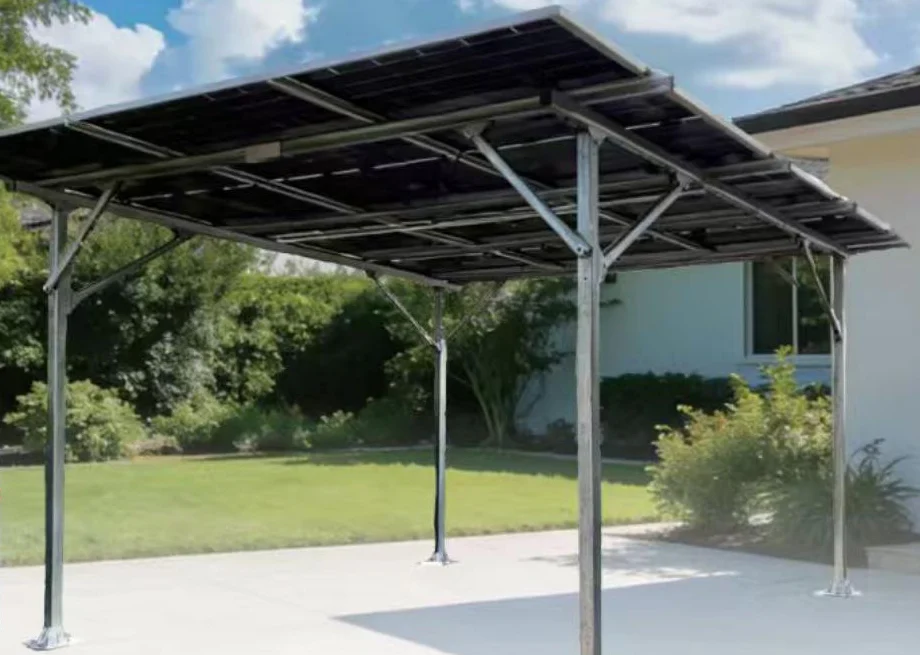
Installation area in the table is listed PV coverage. It does not include every access route, maintenance clearance or equipment position. SSP-XCP30K-C4-64S lists 81 m² alongside its 20.1 kWp array. A usable carport installation also needs a complete structural and site layout, including foundations and vehicle movement. The same principle applies to balconies, gardens and fences. Send drawings and photographs so the installer can assess shading, fixing substrates, cable routes and local requirements instead of treating the coverage figure as a ready-made layout.
Read exceptions and optional equipment
The ECP8K carport system is offered with either 8 kWh or 16 kWh of battery storage; choose the larger option for longer evening use or backup. The XCP15K and XCP30K tables list optional EV chargers, so confirm whether the selected quotation includes one. For BP1600, the configuration lists a 2.4 kW inverter while maximum system output is listed as 1.6 kW. These details should be resolved in writing; silently choosing one number would hide information that affects a purchasing decision.
Finish with a clear inquiry
Once you have a shortlist, send the model, quantities, country, load schedule, desired backup window and available space to SolarNova. Add existing generator details and the delivery destination where relevant. Request a complete configuration, warranty schedule and statement of local installation responsibilities. Use the Sizing Guide table to compare the source figures side by side, then keep the final quotation and technical documents together. A useful selection process ends with an agreed specification for the actual site, rather than a decision based on only the largest number in a product title.
Product figures: supplied Home Systems table, retained hybrid schedules and SolarNova main-site data. This article describes planning considerations, not a customer project. Confirm the selected equipment and site design with a qualified installer.