Look at the space before the specification
Balcony solar can put generation into a compact outdoor area, but the available space must work structurally and electrically. Begin with the position of railings, doors and windows, then consider how shadows move over the proposed modules. A sheltered corner is not necessarily a productive location. Photographs from the intended mounting position are useful when discussing a layout. Confirm permission from the property owner or building manager and ask a qualified installer to review the structure and the local connection requirements before ordering equipment.
Compare the small configurations
The supplied table lists SSP-BP500-T1-G with 0.45 kWp of PV, approximately 1.8 kWh daily generation, 0.45 kW maximum output and 1.99 m² installation area. SSP-BP800-T2-G lists 0.9 kWp, approximately 3.6 kWh daily generation, 0.8 kW maximum output and 3.98 m². Both configurations include microinverters with export limiting. Storage is not listed for these models. These figures provide a useful comparison, but their daily generation values are not a prediction for every balcony or a guarantee of household savings.
Decide whether storage is part of the brief
SSP-BP1000-T1-2S uses the same listed 0.45 kWp array size and 1.99 m² installation area as the smaller single-module configuration, with a 1 kW / 2 kWh inverter-storage unit. The table lists maximum system output of 1 kW. Storage changes how energy may be used over time, but the supported operating modes and connections still need confirmation. Explain whether you want daytime self-consumption, selected-appliance support or outage backup, because these are different requirements and should lead to an explicit equipment and installation schedule.
Read the larger model carefully
SSP-BP1600-T4-5S lists 1.8 kWp of PV, 5 kWh storage, approximately 7.2 kWh daily generation and 7.96 m² installation area. Its configuration includes a 2.4 kW microinverter, while the performance summary gives 1.6 kW maximum system output. Both source values are displayed on the product page. Ask SolarNova to resolve the final output arrangement before ordering. A model name or a component rating alone should not be used to replace the system limit stated in the source schedule.
Check how the modules will be held
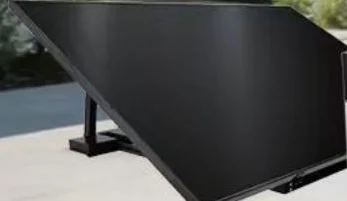
The balcony configurations use all-black aluminum-alloy quick-install mounting sets. That description does not establish compatibility with every railing, wall or roof edge. Send measurements and photographs showing the fixing substrate, access and surrounding features. The installer should consider wind exposure, structural capacity, drainage and any risk of obstruction. Preserve safe movement through the space and follow the agreed fixing instructions. A compact array still needs a proper load path and a maintenance plan; its small size does not remove those design responsibilities.
Confirm the electrical operating mode
Ask how the inverter connects to the property supply, how export limiting is implemented and what happens during a grid interruption. Connection permissions and electrical protection should be checked for the actual location. Do not assume a portable-looking product has unrestricted installation options or that a storage unit automatically provides whole-home backup. Confirm voltage, frequency, earthing and the permitted circuits in the quotation and installation documents. If the space is rented, discuss whether future removal and reinstatement need to be part of the mounting plan.
Prepare a practical comparison
Compare candidate systems against the same household brief: usable space, daylight demand, evening demand, required backup behaviour and installation constraints. The Home Systems page gives the listed configurations without published prices, so request a quotation for the exact model and quantity. Include your country, photographs and the appliances you intend to support. Ask for the written warranty terms and a clear statement of the work required locally. This approach makes balcony solar a considered installation decision rather than a purchase based only on a headline power figure.
Product figures: supplied Home Systems table, retained hybrid schedules and SolarNova main-site data. This article describes planning considerations, not a customer project. Confirm the selected equipment and site design with a qualified installer.